36 local guides · California
Roof Replacement in California
A California re-roof is shaped by the state energy code and, in many areas, by wildfire rules. Many re-roofs must use cool-roof rated products, and homes in designated fire hazard severity zones must meet ignition-resistant construction requirements.
Referral service. By calling, you agree your call may be recorded and connected to an independent roofing contractor in your area, who may call or text you back about your request, including by automated means. Consent is not a condition of purchase. Msg & data rates may apply.
- Insured local roofers
- Written estimate before work
- Calls answered 24/7
How it differs across California
Climate varies widely across the state. Inland Empire and Central Valley homes face intense heat that shortens shingle life; coastal and Bay Area homes face fog, moisture and moss; foothill homes face embers and wind.
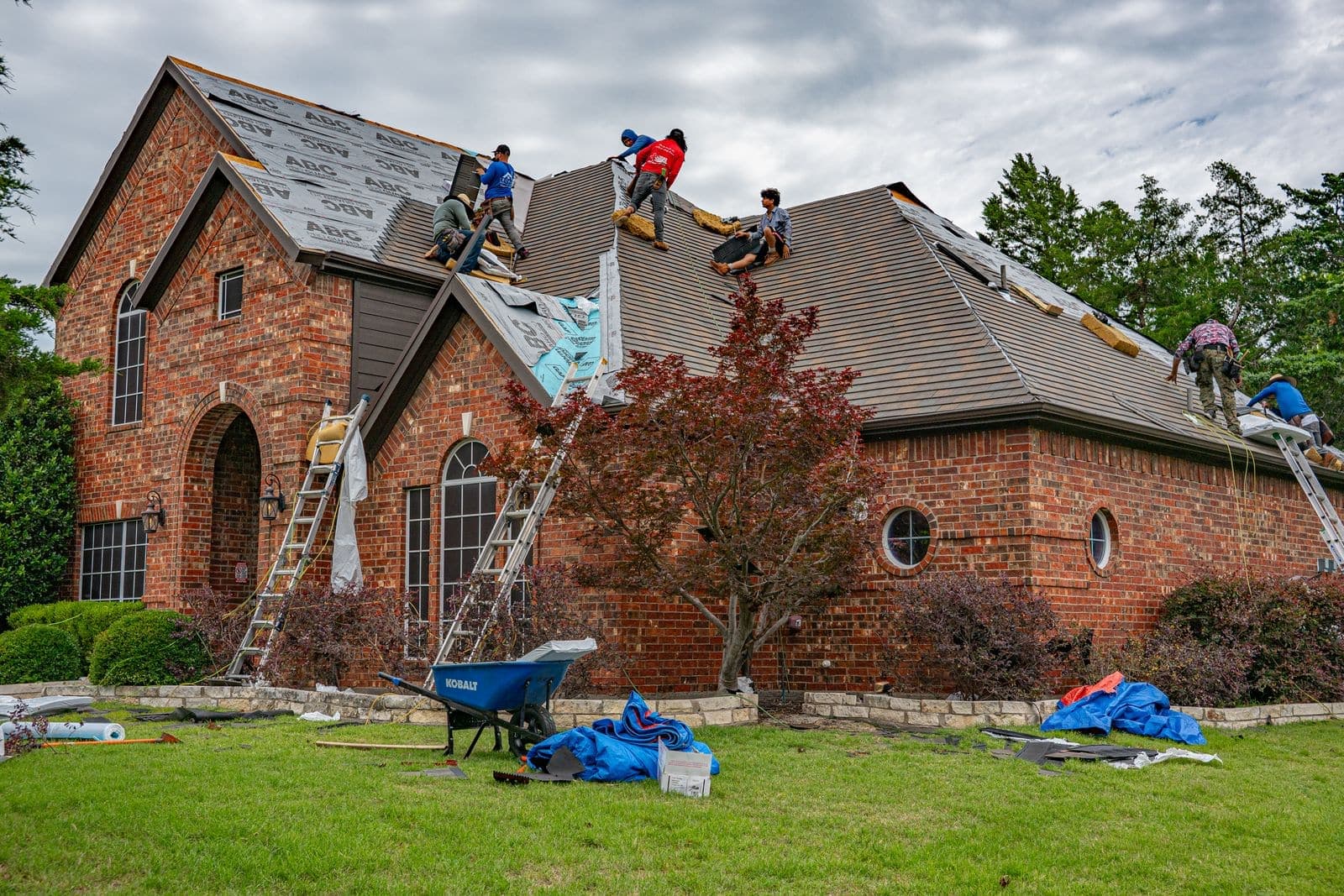
Ask for the scope in writing: tear-off, decking replacement pricing, underlayment, ventilation changes, cool-roof product, permits and cleanup. In fire hazard zones, confirm how the assembly meets Class A and how vents will be made ember-resistant. Many California cities require permits and a final inspection for re-roofs; the contractor should pull them.
How roof replacement worksLocal guides in California
- ColtonShingles curling and losing granules early from summer heat.
- BreaWildland-edge homes where vents and gutters need to resist wind-blown embers.
- San BrunoFog and damp keeping roofs wet, encouraging moss and rot at edges.
- CeresShingles curling and shedding granules from valley heat.
- Hacienda HeightsOlder shingle roofs on hillside homes where leaks start at valleys and wall flashing.
- CerritosConcrete tile that still looks good while the underlayment beneath it has dried out and cracked.
- Diamond BarRidge and hip caps loosened by wind on exposed hilltop lots.
- La MiradaSecond layers of shingles hiding soft decking underneath.
- Huntington ParkOlder roofs with several patches and a mix of materials.
- Rancho Santa MargaritaConcrete tile that still looks good while the underlayment beneath it has dried out and cracked.
- PlacentiaMoss and algae on shaded north slopes under mature trees.
- Rowland HeightsMoss and debris on shaded hillside roofs.
- ParamountRusted or caulk-only flashing on older homes.
- AltadenaRebuilds that must meet California Building Code Chapter 7A ignition-resistant requirements.
- Aliso ViejoConcrete tile that still looks good while the underlayment beneath it has dried out and cracked.
- Rancho Palos VerdesSalt air corroding fasteners, flashing and tile clips.
- GardenaOpen bolt holes where dishes and antennas were removed.
- GlendoraCanyon winds lifting shingles on foothill homes.
- Monterey ParkAging shingle roofs on postwar homes.
- RosemeadShingles aging fast in valley heat.
- HighlandChimney flashing that was caulked instead of counter-flashed.
- CovinaLeaks beside chimneys from rusted or face-sealed flashing.
- Fountain ValleyRidge cap shingles cracked or blown off.
- CypressLoose ridge and hip caps after wind.
- ArcadiaRotted fascia behind overflowing gutters.
- AzusaSun-cracked and rotted fascia boards.
- CampbellLeaks that only appear in the first heavy winter storm.
- NovatoLeaks at valleys clogged with leaves from mature trees.
- HollisterFlashing at walls and chimneys pulled open by settling.
- Los BanosHeat-aged shingles that look fine from the street.
- CupertinoBrittle shingles blowing off during winter wind storms.
- PetalumaShingles lifted by afternoon winds through the Petaluma Gap.
- OakleyDelta winds lifting and breaking shingle seals.
- NewarkMoss on shaded north slopes during the wet season.
- Morgan HillLeaks at wall and step flashing on two-story homes.
- DanvilleTile roofs leaking because the underlayment beneath has failed.
Roof Replacement in California: questions
Do California re-roofs need cool-roof materials?
Many do under Title 24, depending on climate zone, roof slope and scope. The roofer should identify the requirement for your address.
What if my home is in a fire hazard zone?
Re-roofs generally need a Class A roof assembly and other ignition-resistant details. Your local building department confirms requirements.
What license should a roofer have in California?
California requires a CSLB license (Class C-39 Roofing or a qualifying B license) for roofing jobs over $500 in labor and materials. Look the license up on the CSLB website before you sign.