3 local guides · Minnesota
Attic Ventilation in Minnesota
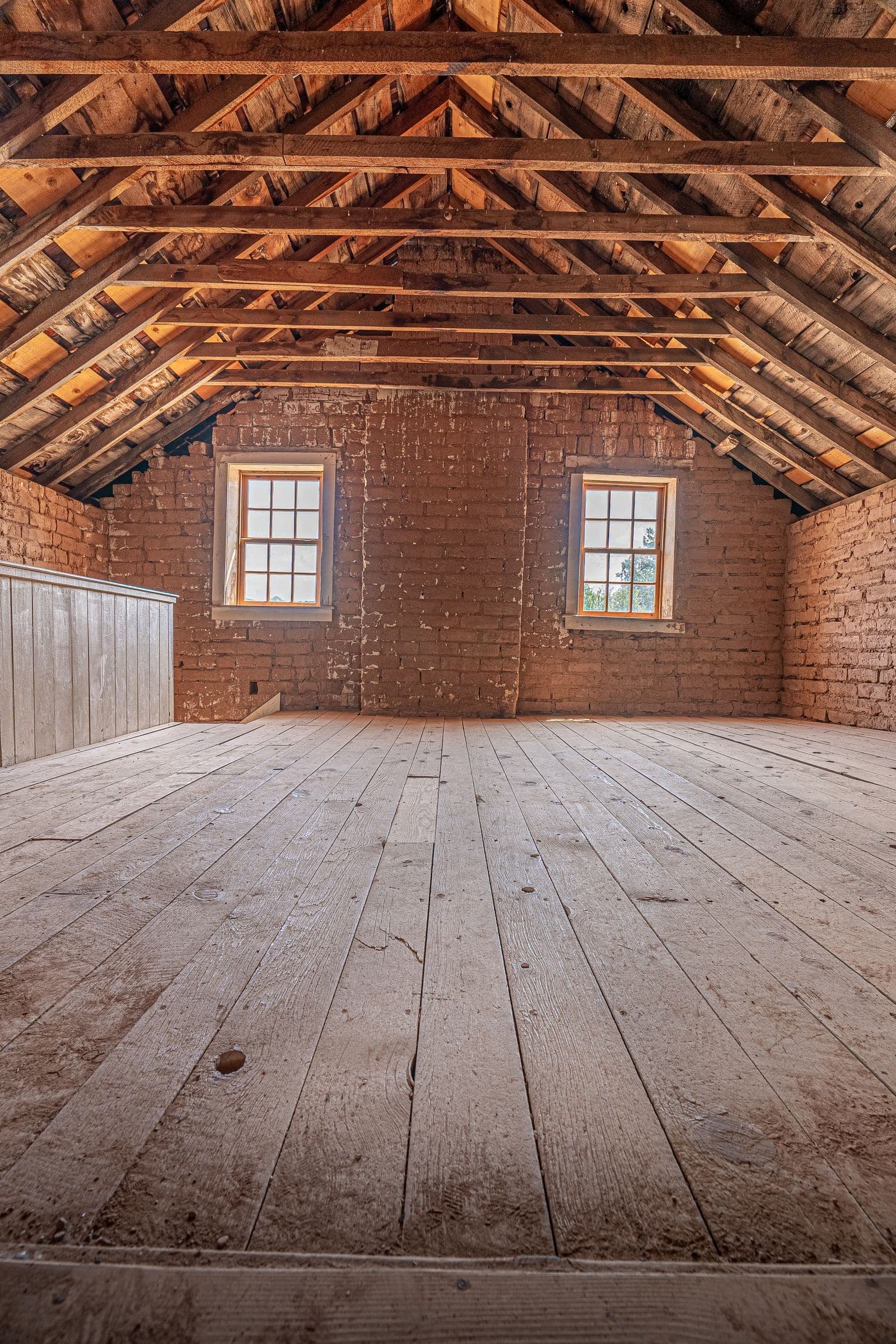
In Minnesota, attic ventilation is the front line against ice dams. Long freezing stretches with periodic thaws mean any heat leaking into the attic melts snow on the upper roof, and the meltwater refreezes at the cold eaves.
Referral service. By calling, you agree your call may be recorded and connected to an independent roofing contractor in your area, who may call or text you back about your request, including by automated means. Consent is not a condition of purchase. Msg & data rates may apply.
- Insured local roofers
- Written estimate before work
- Calls answered 24/7
How it differs across Minnesota
Older story-and-a-half homes and houses with dormers and knee walls are hardest to ventilate and insulate. Newer homes more often suffer from attic frost caused by bath fans and unsealed fixtures leaking warm, moist air into the attic.
The lasting fix combines air sealing, insulation and balanced intake and exhaust ventilation, with ice and water barrier at the eaves as backup. Minnesota requires residential roofers to be licensed by the Department of Labor and Industry.
How attic ventilation worksLocal guides in Minnesota
Attic Ventilation in Minnesota: questions
What causes ice dams?
Heat escaping into the attic melts roof snow, which refreezes at the cold eaves and backs water under shingles.
Is ice and water barrier required?
Cold-climate codes, including Minnesota's, generally require it at the eaves; your building department confirms details.
What license should a roofer have in Minnesota?
Minnesota requires residential roofers to be licensed by the Department of Labor and Industry. You can look up the license on the DLI website.