Answered 24/7 · Denver County
Commercial Roofing in Denver, CO
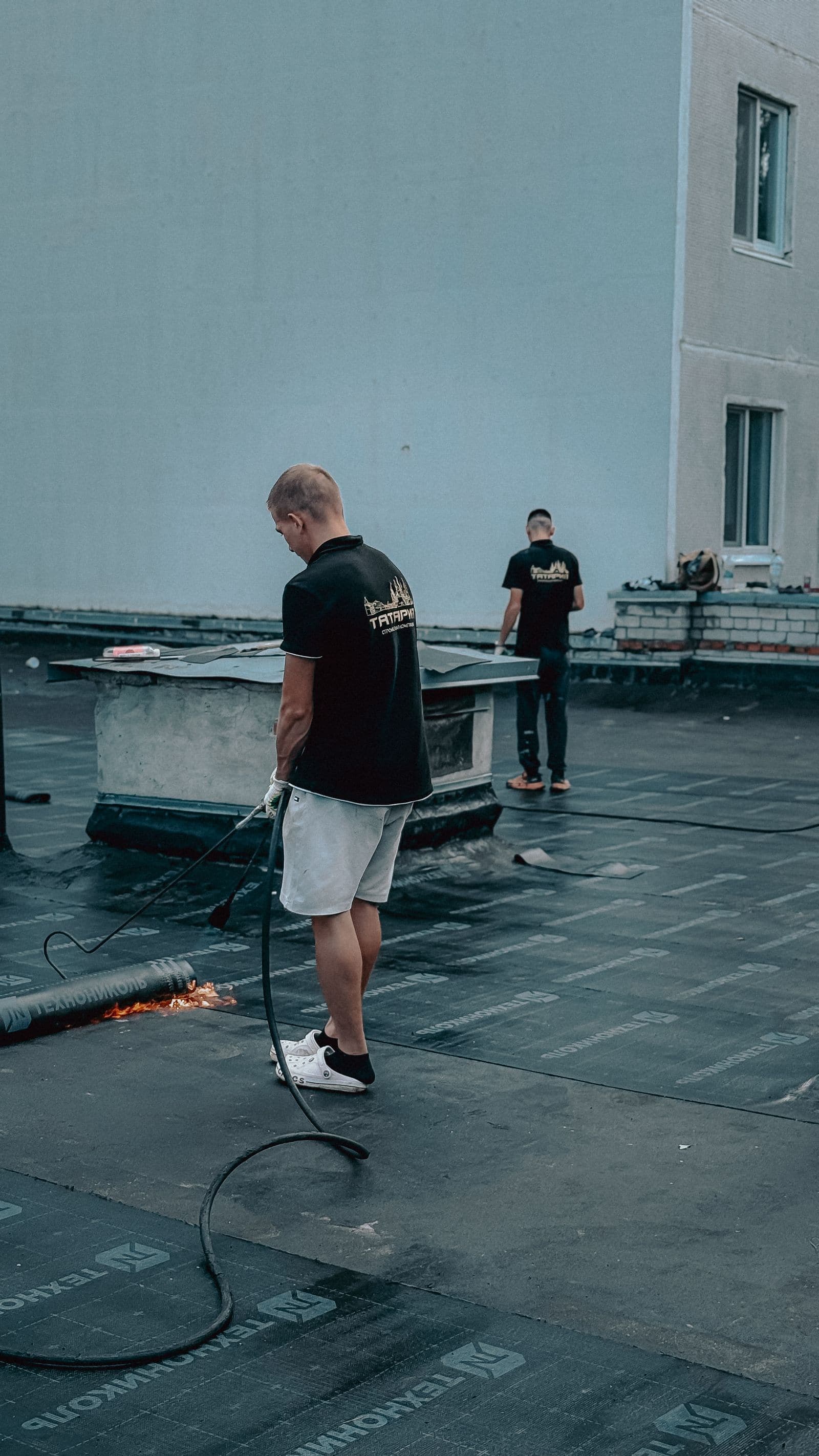
Commercial Roofing in Denver starts with the conditions roofs face here: hail damage claims, wind damage from downslope winds and snow and ice in winter. Commercial roofing covers the flat and low-slope roofs on offices, retail, churches, warehouses and apartments: finding and repairing leaks, replacing membranes such as TPO or modified bitumen, and restoring sound roofs with coatings. Drainage and flashings are where most commercial roofs fail.
Referral service. By calling, you agree your call may be recorded and connected to an independent roofing contractor in your area, who may call or text you back about your request, including by automated means. Consent is not a condition of purchase. Msg & data rates may apply.
- Insured local roofers
- Written estimate before work
- Calls answered 24/7
Roofs in Denver
Denver sits on the Front Range, among the most hail-prone areas in the country. Spring and summer storms cause frequent roof claims, and the city requires roofing contractors to be licensed.
Common problems on Denver roofs
- Hail damage claims
- Wind damage from downslope winds
- Snow and ice in winter
Commercial Roofing in Denver: what to expect
Denver sits in the plains and Front Range hail belt region, where spring and summer hail bruises shingles long before a leak shows up. Impact-resistant shingles rated Class 4 under UL 2218 hold up better to hail, and some insurers in hail states offer a premium discount for them. Ask your insurer before choosing materials.
Low-slope roofs don't shed water the way shingles do. Clogged drains and scuppers leave ponding water that finds every seam, and Gulf Coast downpours can drop inches of rain in an hour. Parapet walls, rooftop units and penetrations for industrial equipment all need flashing that holds up to wind.
Plains and Front Range hail belt: Spring and summer hail bruises shingles long before a leak shows up.
How commercial roofing works, step by stepCommercial Roofing in Denver: questions
How long does commercial Roofing take in Denver?
Repairs in a day or two; replacements scheduled in phases over days to weeks.
How urgent is commercial Roofing in Denver?
Fast for active leaks over inventory or tenants.
Should I repair or replace my roof in Denver?
Repair or coat sound roofs; replace when insulation is wet or the membrane fails broadly.
Should I recoat or replace my flat roof?
A coating can extend a roof that's structurally sound with dry insulation. If moisture surveys find widespread wet insulation or the membrane is failing everywhere, replacement is the better investment.
How long does a TPO roof last?
A well-installed TPO roof typically lasts about 20 years or more, depending on thickness, installation quality and maintenance. Heat and ponding water shorten its life.
How much does commercial roofing cost in Denver?
Driven by area, membrane, insulation, drainage corrections and warranty. Ask for those itemized on the written estimate.
What license should a roofer have in Colorado?
Colorado has no statewide roofing license, but cities and counties often do: Denver licenses roofing contractors, and the Pikes Peak Regional Building Department licenses them around Colorado Springs. State law also sets contract and deposit rules for roofing work.
All roofing services in Denver
- Hail Damage Roof Repair
- Roof Repair
- Roof Replacement
- Roof Inspection
- Roof Leak Repair
- Emergency Roof Repair
- Storm Damage Roof Repair
- Wind Damage Roof Repair
- Emergency Roof Tarping
- Roof Insurance Claim Help
- Shingle Repair
- Metal Roofing
- Asphalt Shingle Roofing
- Flat Roof Repair
- Roof Coatings
- Gutters
- Gutter Repair
- Attic Ventilation
- Roof Flashing Repair
Request an inspection in Denver
national_commercial-roofing_denver-co commercial roofing: call now
(833) 549-4913Referral service. By calling, you agree your call may be recorded and connected to an independent roofing contractor in your area, who may call or text you back about your request, including by automated means. Consent is not a condition of purchase. Msg & data rates may apply.